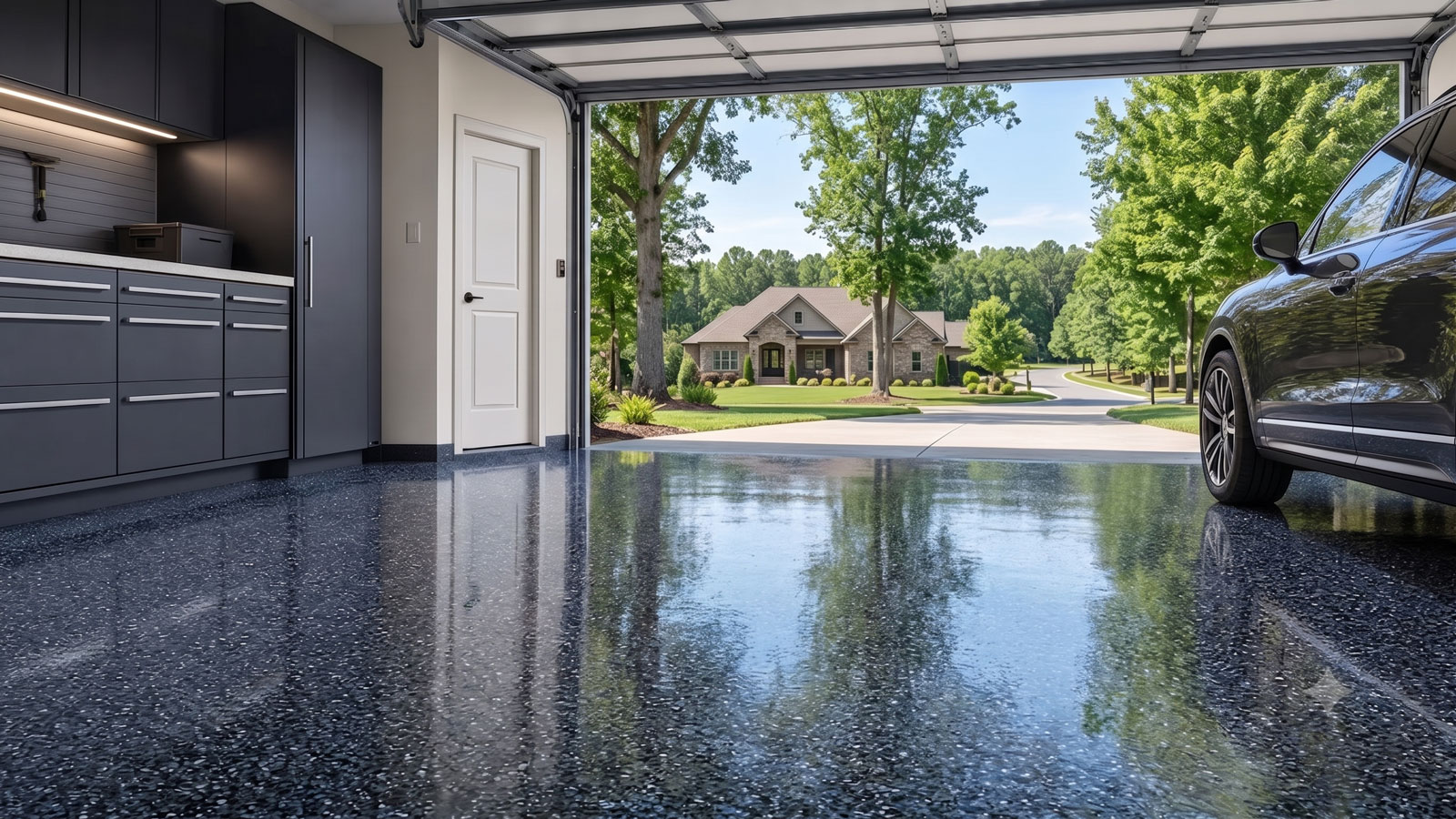
Garage Floor Coating in Livonia, MI
Floor Coating Information in Livonia, MI
Livonia has a mature suburban planning context reflected in its Livonia Vision 21 Master Plan. The city's own planning information says the plan guides land use, neighborhoods, infrastructure and transportation, and notes that its accompanying zoning update replaced a code written more than fifty years earlier. That evidence explains why reinvestment and changes to established residential properties matter locally. Yet no planning document determines when a particular Livonia garage slab was poured or whether it has cracks, paint or moisture.
Michigan's winter road maintenance brings salt, grit and slush onto the floors of garages used for daily parking. A floor that has absorbed years of vehicle fluids or seen previous attempts at painting may need substantial preparation. A newer resurfaced slab can also require removal of sealers or curing compounds. The contractor should inspect the surface rather than assume all postwar suburban garages share one condition.
An epoxy, polyaspartic or decorative-flake system can give sound prepared concrete a more cleanable finish, but it cannot eliminate snowmelt or stop water flowing into a low driveway opening. Before choosing chemistry or color, homeowners should ask about grinding, prior-coating removal, joint and crack treatment, finish texture and the time vehicles must remain outside.
Local Market Insight
Livonia Vision 21 guides the city's established neighborhoods and infrastructure, while its zoning update replaced a code over fifty years old. Michigan winter salt exposure makes concrete preparation and ongoing cleanup important separate concerns.
What Affects the Cost of Garage Floor Coating in Livonia?
Livonia garages may have older paint, patches, added storage or later repoured floors. Those actual conditions affect preparation more than the age of the suburban neighborhood as a whole.
A written proposal should distinguish the resurfacing job from any drainage correction, list removal and repair work, and explain finish layers and realistic curing during Michigan's seasonal temperature changes.
- Legacy surface treatments: In established neighborhoods, older paint and sealers may remain on concrete despite a clean appearance. Include proper assessment, removal and grinding before coating.
- Slab repairs and later repours: A house built decades ago may have a newer garage floor. Inspect existing patches, cracks, pitting and soundness rather than guessing repair scope from the building era.
- Winter salt deposits: Vehicle tires can carry deicing residue inside. Contamination must be cleaned and the concrete prepared before new resin, and homeowners still need an appropriate winter cleanup routine afterward.
- Driveway and snowmelt routing: Water on the floor may come from parked cars, outside drainage or the slab itself. Identify the route before claiming a coating is sufficient.
- Garage edges and household storage: Steps, cabinets, utility fixtures and tight floor edges may increase preparation work. Plan clearance of belongings and access for equipment and debris removal.
- System type and cold-weather cure: A flake system's texture, UV performance and curing temperature limits affect price and availability. Compare the entire application specification and vehicle return schedule.
Call for a clear, project-specific estimate—or request one online.
Livonia Vision 21 and an Aging but Changing Garage Stock
The City of Livonia describes its Livonia Vision 21 Master Plan as an action-oriented framework for land use, transportation, neighborhoods, open space and infrastructure. The related updated zoning ordinance replaces a code the city says was over fifty years old. These facts emphasize how Livonia manages an established built environment undergoing gradual change, rather than assuming that every residential property remains unchanged from an earlier construction era.
The garage floor beneath such a property may have been repoured, repaired or painted many times. Ask what is known about the concrete and investigate worn coatings, vehicle oil, cracks and patches. A later-built garage could have a different substrate from the original home. The visible age of a garage door or house siding does not establish concrete bond strength.
Concrete preparation should include mechanical profiling to suit the coating, removal of incompatible layers and an honest evaluation of cracks and movement. New-looking concrete can still contain sealers; an older slab may be perfectly serviceable after proper treatment. Neither case can be determined by a photo or a generalized neighborhood description.
Livonia homeowners should request a line-by-line scope that identifies grinding, repairs, layer count, finish texture and cleanup. A detailed quote is more informative than a low per-square-foot price that leaves the contractor free to interpret critical preparation later.
Salt, Winter Garage Routines and Floor-Coating Limits
Michigan's Department of Transportation publishes state winter-road maintenance practices and salt-use guidance. In Livonia, vehicles can bring meltwater, road grit and deicing residues directly inside garages during snow and icy conditions. Those deposits are relevant to cleaning and preparation, but the presence of treated roads does not prove a slab is deteriorating.
A coating installer should look for pitting, old finishes and contamination before preparation begins. Salt residue and oil should not simply be encapsulated beneath an expensive finish. Where cracking or moisture suggests deeper problems, repair or investigate them before choosing a resin system.
After installation on sound concrete, decorative flakes and appropriate topcoats may provide a cleanable surface that makes winter sweeping easier. They do not prevent slush from accumulating or render maintenance unnecessary. Discuss traction, cleaning products and whether the proposed texture is compatible with daily vehicle use.
Also check the exterior driveway and threshold. If meltwater flows from outside into the garage, grading or drainage requires separate attention; a finish cannot reverse that slope. The full installation schedule should respect surface temperature, humidity and cure limits, not just an advertised 'one-day' label.
Frequently Asked Questions
Do all Livonia garages need the same preparation because the suburbs developed together?
No. Individual garages can have different slab ages, coatings, repairs and uses. The contractor must inspect actual concrete instead of inferring conditions from neighborhood development.
Can an epoxy floor eliminate winter salt problems?
No. A coated floor may be easier to clean, but vehicles still carry road salt and grit indoors and residues still need regular removal.
Will the coating fix pitting or moving cracks?
Pitting and stable cracks may need preparation or repair, while active structural movement requires separate assessment. A decorative resin layer cannot stabilize concrete.
Do I need to empty the garage before grinding?
Yes, the installer needs access to the entire floor, including edges and formerly covered areas. Discuss storage removal and where cars will stay during cure.
What details belong in a Livonia bid?
Ask for old-coating removal, mechanical surface profiling, repairs, moisture evaluation if relevant, coating layers, topcoat texture and a clear return-to-parking timetable.